



A community land trust (CLT) is a nonprofit, community-based corporation that owns land in trust for the benefit of a defined geographic area and manages that land over the long term on behalf of the community. CLTs typically retain ownership of the land and convey long-term ground leases to individual homeowners, housing cooperatives, nonprofit organizations or other entities that own the buildings and improvements. By separating the ownership of land from the ownership of housing and other structures, CLTs seek to preserve long-term affordability and protect community assets from speculative increases in land value.
How It Works
The idea comes down to splitting ownership into two layers
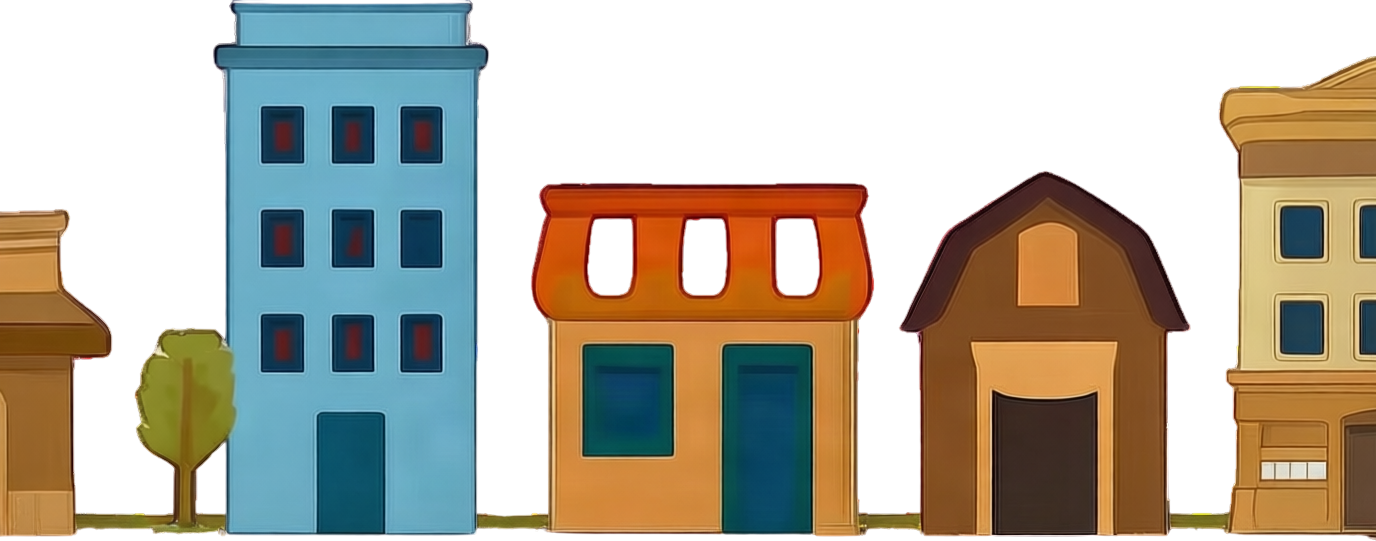
THE GROUND is held by the CLT on behalf of the community, in perpetuity.
WHAT’S ON TOP OF THE LAND: Homes, apartments, shops, farms — owned by homeowners, co-ops, or nonprofits, and sometimes by the CLT itself.
WHAT CONNECTS THE TWO: A ground lease knits together – and equitably balances – the interests of the nonprofit landowner and the interests of the buildings’ owners. This inheritable ground lease lasts for a very long time, typically 99 years.
Taking land off the speculative market
Permanent affordability is the point — not just for the family who buys a home today, but for whoever buys it next, and the family after that. Once land is placed in a CLT, it stops responding to the market and starts responding to the community, generation after generation.
Ongoing stewardship
CLTs stay involved for the life of the lease — offering homebuyer education up front, checking in on lease and mortgage compliance, and working with lenders to help an owner avoid foreclosure if they run into trouble. CLTs are the developer that never goes away.
Three things that define a “classic” CLT
CLTs vary widely in how they’re applied, but share these three core elements.
Ownership
The CLT holds land permanently on behalf of the community, leasing it long-term for a wide variety of community beneficial uses.
Organization
Anyone in the area served by the CLT can join. Typically board beats are divided between leaseholders, neighbors, and public-interest members.
Operation
Priority goes to people and places left out of the housing market — with a lasting commitment to keeping homes (and other structures) affordable and in good repair.
More than housing, and growing fast
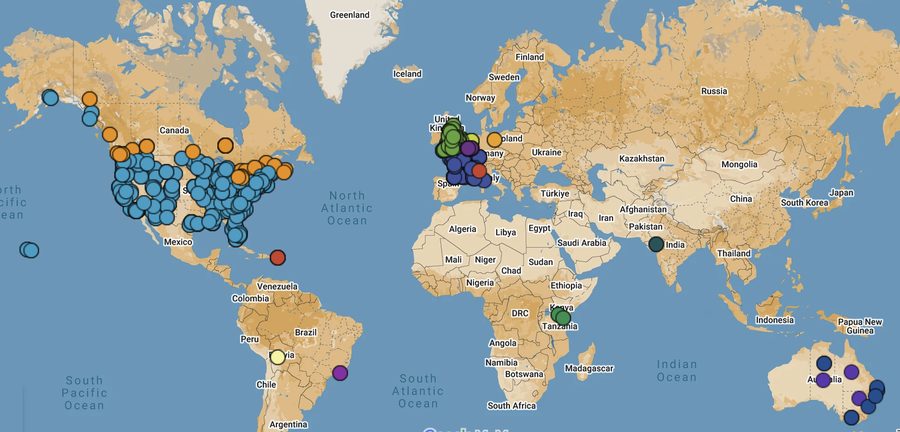
CLTs are being used to steward a wide variety of community assets, including affordable owner-occupied and rental housing, community gardens, civic and cultural facilities and commercial spaces. Many CLTs describe their purpose as balancing the interests of individual leaseholders, who seek secure tenure and limited equity, with the interests of the wider community, such as maintaining affordable housing, preventing displacement and promoting racial and economic inclusion. A commonly cited structure for a “classic” CLT is a membership-based nonprofit with a tripartite board in which leaseholders, other community residents and public or professional stakeholders each hold one-third of the seats.
Since the late 20th century, CLTs have been adopted in urban, suburban and rural settings in the United States, Canada, Europe and the United Kingdom, and, more recently, parts of Latin America, Africa, Asia and Oceania. The International Center for CLT’s own Global CLT Map counted 627 CLTs worldwide as of November 2024, where for the first time there were more CLTs outside of the US than within.
See it explained
Here are some more animated introductions to CLTs from around the world.
And here are some infographics that describe how CLTs operate.
- Democracy Collaborative (US): English, Spanish
- National CLT Network (UK) (English)
- New York City Community Land Initiative (US) (English)
- Parkdale Community Land Trust (Canada) (English)